A Practical Guide to Ergonomic Pillow Selection for Better Sleep Health
In the quiet hours when the world slows down, our pillows become the unsung heroes of the night. They cradle our necks, align our spines, and set the tone for deep, restorative rest. This editorial guide dives into the art and science of choosing ergonomic pillows that match how you sleep—whether you’re a back sleeper, side sleeper, or stomach sleeper. We’ll explore shapes, fillings, and materials through trusted brand perspectives, while weaving stories of three notable individuals from distinct eras who champion the pursuit of better sleep and better living.
Why Ergonomics Matter in Pillow Selection
A pillow is not merely a soft cushion; it is a tool for spinal alignment, airway support, and pressure distribution. The right pillow helps maintain the natural curvature of the cervical spine, reducing nocturnal awakenings triggered by discomfort. When sleep posture is supported properly, it can improve breathing, decrease snoring intensity, and help muscles relax into a healthier resting position. The ergonomics conversation blends posture science with textile technology—how pillow height, fill density, and breathability work in concert with your mattress and sleep environment.
For readers of hyperbed.com, the journey toward a better night’s sleep begins with understanding how pillow shapes and fillings interact with sleeping position. The goal is sustainable comfort, not quick fixes. The brands discussed here—Vispring, Savvy Rest, and Coyuchi—offer thoughtful approaches to design and materials that align with evidence-based sleep health.
Pillow Shapes: How Form Fits Function
Shape is the first language of a pillow. It speaks to your head and neck, guiding alignment throughout the night. Here are the main shapes you’ll encounter and who they suit best:
Traditional Contour Pillows – A classic shape that often features a gentle curved edge designed to cradle the neck. Suitable for back and side sleepers who need targeted support under the neck and the base of the skull.
Adjustable Loft Pillows – Pillows with removable inserts or adjustable fill to customize height and firmness. Ideal for couples or individuals who fluctuate in preferred loft across seasons or sleep stages.
Cervical Roll Pillows – Narrow, cylindrical supports that fit behind the neck to promote a neutral alignment. Helpful for back sleepers who want a lower profile at the neck.
Quilted BIO/Contour Hybrid Pillows – Modern hybrids blend traditional contour shapes with quilted covers and breathable fills to optimize pressure distribution and temperature regulation.
Fillings: The Trade-Offs of Support, Breathability, and Care
The pillow’s fill is the heart of its comfort. Each option brings a distinct feel and care profile:
Memory Foam – Responsive, excellent for contouring, and often supportive for neck alignment. Tends to trap heat; look for cooling-infused variants or breathable covers.
Latex – Natural bounce with resilient support and good airflow. Durable and often cooler than traditional memory foams, making it a strong choice for hot sleepers.
Down/Feather – Plush and moldable, great for a soft initial feel and loft adjustability. Less consistent for heavy neck support, and requires regular fluffing to maintain loft.
Hybrid/Fill Blends – Combines multiple materials to balance support, breathability, and temperature control. A practical option for the broadest sleep needs.
Materials and Coverage: The Texture of Sleep
Beyond fill, pillow covers and encasements influence breathability and hygiene. Look for natural, breathable covers—Cotton percale, linen blends, or sateen textiles—that wick moisture while preserving softness. For sensitive sleepers, hypoallergenic and antimicrobial fabrics can offer peace of mind. Coyuchi’s commitment to natural fibers, Savvy Rest’s emphasis on organic materials, and Vispring’s premium manufacturing heritage illustrate how material choices support sustainable sleep health.
Brand snapshots offer practical guidance for readers who want to test at home. You can evaluate loft adjustments by lying down in your typical sleeping position, then measuring whether your ear lines up with your shoulder and your spine remains neutrally aligned. A pillow that sits too high can tilt the head forward; one that’s too flat can force the neck to bend backward. The goal is a gentle, natural slope from skull to spine that preserves a straight line throughout the night.
Testing Pillows at Home: A Simple, Effective Method
Testing is not a luxury; it’s a necessity when you consider physiology and personal preference. Here’s a practical, at-home testing routine that mirrors professional sleep assessments without the clinical glare:
Step 1: Baseline Comfort – Lie on your back with the pillow beneath your head. Do you feel supported along the neck without piling your shoulders forward? Repeat on your side and then your stomach if applicable.
Step 2: Loft Adjustment – For adjustable loft pillows, remove or add inserts until the neck sits comfortably in neutral alignment. For fixed loft pillows, evaluate whether a firmer or softer fill resolves any tension along the neck muscles.
Step 3: Cover and Temperature – Evaluate the fabric’s breathability by feeling the air around the pillow surface after a few minutes. If you tend to overheat, consider cooling technologies or lighter fillings.
Step 4: Long-Term Care – Pillow care is essential for maintaining loft and hygiene. Regularly fluff, consider pillow protectors, and follow cleaning instructions that align with your fill type.
Brand Perspectives: Vispring, Savvy Rest, Coyuchi
Vispring emphasizes luxury and long-term support with natural fillings and breathable cotton covers, offering a premium experience for discerning sleepers. Savvy Rest specializes in customizable, organic latex pillows and pillow systems designed to match individual sleep postures. Coyuchi centers on natural fibers and sustainability, producing pillow covers and inserts crafted to fit clean energy and clean sleep ideals.
Each brand provides a different lens on pillow health. Visiting their product ecosystems reveals the balance between comfort, ethical sourcing, and performance. For readers seeking a modern luxury experience, Vispring offers timeless contouring with natural materials. For those prioritizing organic materials and custom loft, Savvy Rest provides practical, modular choices. Coyuchi demonstrates the value of natural fibers in everyday restful routines.
A Critical Look at Pillow Brands Through Time
Across eras, sleep health has benefited from a deeper understanding of posture and material science. Here are three notable individuals who shaped the discourse of comfort and spine health—each from a distinct period:
Hypatia of Alexandria (c. 370–415 CE) – A philosopher and mathematician who championed rational inquiry. While not about pillows, Hypatia’s insistence on evidence-based thinking underpins the modern approach to sleep science: question assumptions, test beliefs, and seek reliable sources for wellness decisions.
Idea to carry forward: Always test theories about sleep health with careful observation and a commitment to empirical evidence, much as Hypatia did with mathematics and astronomy.
Florence Nightingale (1820–1910) – A trailblazer in modern nursing who emphasized environmental factors in healing, including clean air and sanitation. Her ethos informs contemporary sleep hygiene: a quiet, breathable, and clean sleep environment matters for health and recovery.
Idea to carry forward: Prioritize sleep environment hygiene and climate control as a non-pharmacological pillar of health, echoing Nightingale’s care-centered approach.
Dr. Matthew Walker (late 20th–early 21st century) – A leading sleep scientist whose work on circadian rhythms and sleep architecture has popularized the science of rest. His research highlights the importance of light exposure, timing, and postural comfort in achieving restorative sleep.
Idea to carry forward: Translate circadian science into practical guidance—when and how to optimize light exposure and posture for better sleep health.
To translate theory into practice, we highlight a select pillow pairing grounded in ergonomic design and ethical sensibilities. Each option is chosen to cover a broad spectrum of sleepers, habits, and budgets, with a nod to current product design aesthetics and health-focused materials.
Vispring Contour Pillow—Premium Natural Loft
A contour pillow that blends natural fillings with meticulous cotton casing, offering a refined balance of support and breathability for back and side sleepers.
A breathable cover and cooling-fill blend designed to reduce heat buildup, suitable for hot sleepers seeking a cooler night.
Key fit: Breathability, natural fibers, temperature regulation
Memory Foam with Cooling Gel—Adaptive Support
A versatile option for those who want a responsive feel with temperature management, particularly for back sleepers seeking neck alignment.
Key fit: Contouring support with cooling features
Note: Availability and product designs vary by retailer. Always verify the latest specifications and care instructions before purchasing. The above selections illustrate broad categories that align with ergonomic principles and ethical materials exploration discussed in this guide.
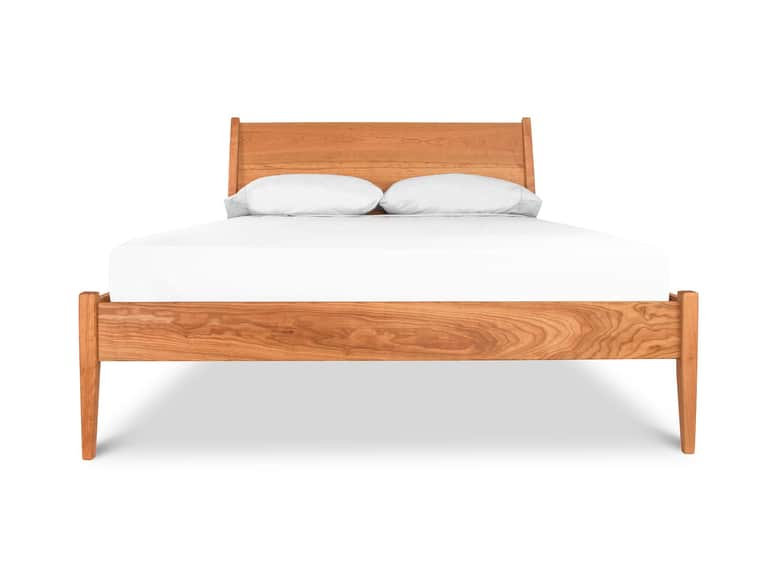
The Andover Modern Incline Bed: A Related Note on Ergonomic Sleep Bases
To expand the conversation beyond pillows, consider the Andover Modern Incline Bed—an elegant solid wood platform with an inclined headboard designed to enhance ergonomic comfort for reading or reclining. While not a pillow, this bed design exemplifies how posture-friendly furniture can complement pillow strategy by reducing neck strain and supporting spinal alignment in bed. If you’re curious about a coordinated sleep system, the inclined headboard can work in tandem with a breathable pillow setup to optimize your nightly alignment.
Product highlight: Andover Modern Incline Bed — Solid wood with an incline headboard; price around 3,374.00 USD. A refined centerpiece for a sleep-forward bedroom aesthetic.
Brand: Vermont Furniture Designs
Solid wood, incline headboard, platform design (no box spring).
Putting It All Together: A Sleep Health Plan
A practical plan for readers who want to upgrade their sleep health without overhauling their entire bedroom. Start with the pillow system that best matches your sleep posture, then consider complementary bedding elements like breathable covers and loft-adjustable inserts. Finally, examine your sleep environment: ambient light, room temperature, and noise levels all contribute to the effectiveness of your ergonomic choices.
For back sleepers: prioritize medium loft with neck support that maintains cervical neutrality.
For side sleepers: seek higher loft to fill the space between neck and shoulder while keeping the spine straight.
For stomach sleepers: opt for a lower loft pillow to reduce neck twist and improve airway alignment.
A Note on Research and Resources
In this guide, we lean on reputable sources that study circadian biology, sleep architecture, and ergonomic design. For readers who want to dig deeper, we recommend academic reviews on sleep posture, product design papers on pillow ergonomics, and consumer health guides that emphasize sleep hygiene and environmental optimization. Our editorial stance is to present evidence-based insights paired with practical product guidance to empower readers to make informed choices.
Conclusion: Smarter Sleep Starts with Smarter Support
A good night’s sleep is a holistic ecosystem—one pillow in a broader matrix of posture, materials, and environment. By understanding pillow shapes, fillings, and materials, and by recognizing the influence of historical figures who championed rational, health-forward living, readers can craft a sleep plan that is both scientifically grounded and personally satisfying. The journey toward better sleep health is ongoing, but with ergonomic pillows and thoughtful sleep environments, you can wake up feeling refreshed, balanced, and ready to face the day.
Enjoy ergonomic lounging and a clean, minimalist look with a solid wood platform bed. The 10% incline headboard supports comfy seating, while the box-spring-free foundation offers durability and easy setup for lasting, cozy sleep.
Sleep in timeless, solid-wood luxury with a high footboard that balances presence and support. Customize wood to match your space, enjoy lasting beauty, and a refined centerpiece built to endure.
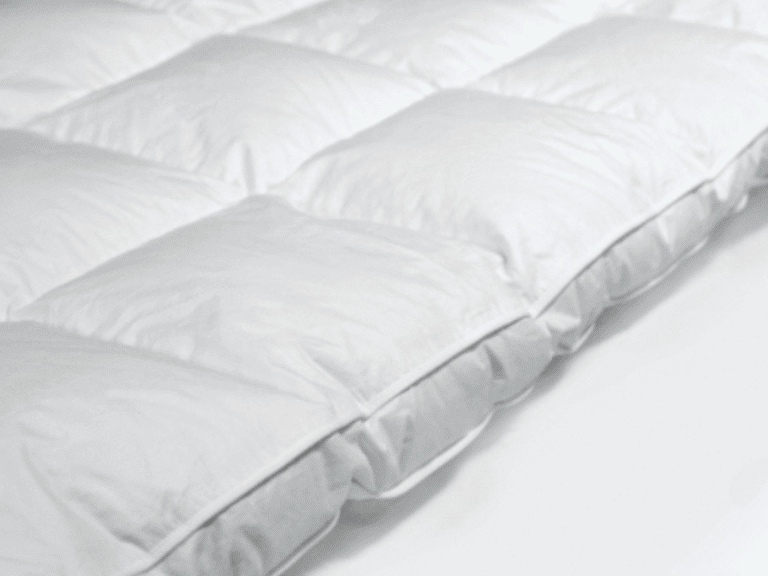
Sleep unburdened by weight with Hypodown—breathable, lofted support that relieves pressure all night. Handcrafted in pearl cambric, each loft stays even with baffled boxes and a 3-4 inch gusset, plus customizable fill-power for your perfect feel.